
Alfama
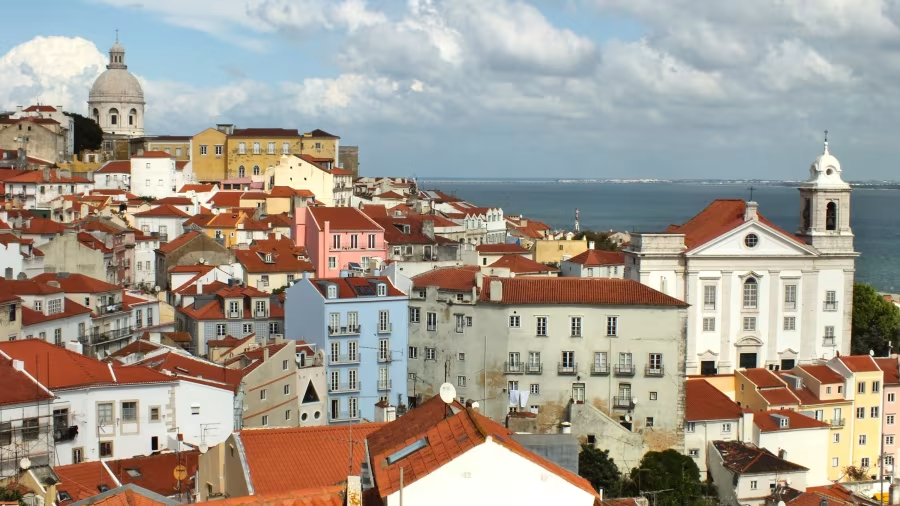
Alfama is Lisbon at its most historic: a hillside neighbourhood of narrow lanes, viewpoints, fado houses and everyday residential life between the Tagus river and Castelo de São Jorge.
Why visit Alfama during a short stay in Lisbon
For guests staying in a short rental, Alfama works especially well as a half-day or evening plan. It is close enough to central Lisbon to combine with Baixa, Chiado or Bairro Alto, yet it feels completely different: slower, older, steeper and more intimate.
From our closest Lisbon property, Trendy Apartment in Bairro Alto, Alfama is an easy trip across the centre by taxi, tram, metro plus walking, or a scenic walk for guests who enjoy exploring neighbourhoods at street level.
A short history of Alfama
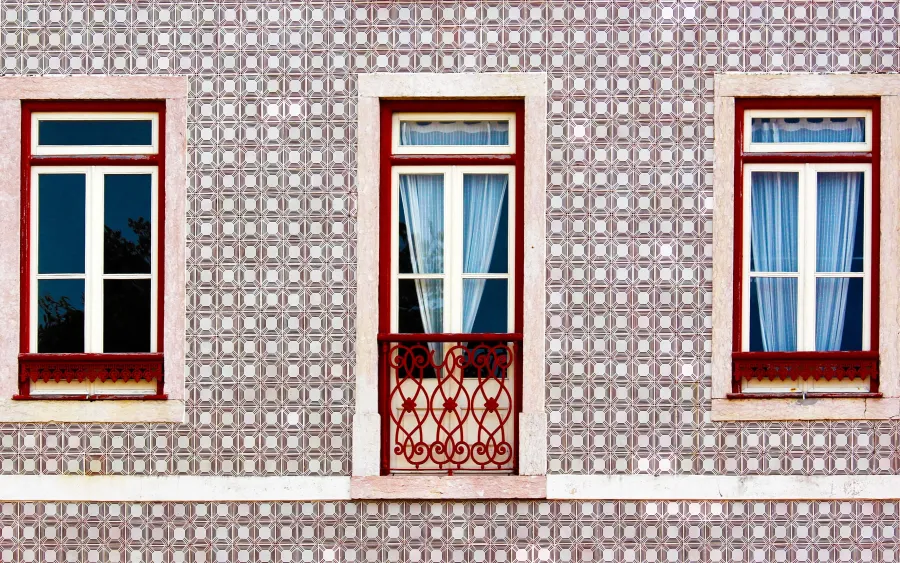
Alfama is widely known as Lisbon’s oldest neighbourhood. Its name is commonly linked to the Arabic word for hot springs or baths, a reminder of the city’s Moorish period. Unlike much of downtown Lisbon, Alfama kept much of its older street pattern after the 1755 earthquake, which is why the area still feels like a maze of stairways, small squares, tiled façades and unexpected river views.
The neighbourhood grew between the castle hill and the river, shaped by fishermen, artisans, parish life and the daily routines of people who lived close to the water. Today it is one of Lisbon’s most atmospheric places to walk, but it is still a real residential neighbourhood, not only a visitor attraction.
What Alfama offers
- Historic streets: steep lanes, staircases, arches and small largos that are best explored on foot.
- Viewpoints: open terraces with classic views over red rooftops and the Tagus.
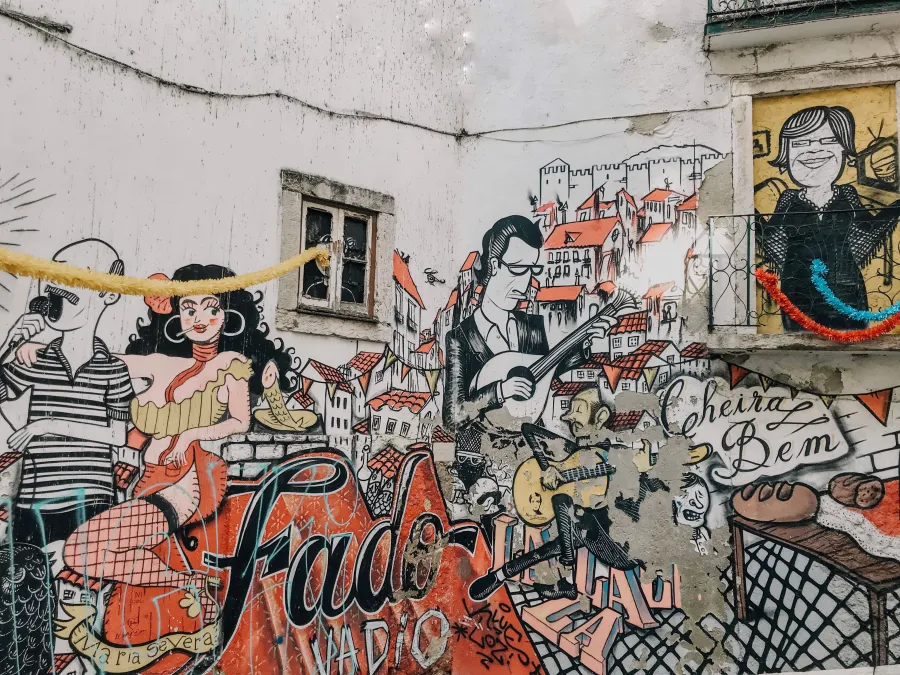
- Fado: intimate restaurants and music houses where Portuguese guitar and voice are part of the evening atmosphere.
- Local food: traditional taverns, grilled fish, petiscos, small cafés and places for a slow lunch after walking.
- Neighbourhood life: laundry above the streets, conversations at windows, local shops and residents who give Alfama its character.
The people of the neighbourhood
Part of Alfama’s charm comes from the people who still live and work there: long-time residents, shopkeepers, restaurant owners, fado musicians, families and older neighbours who know every staircase and shortcut. Visitors are welcome, but the best experience comes from treating the area with the same respect you would expect in your own street.
Keep noise low at night, avoid blocking narrow pavements, ask before photographing people closely, and remember that many beautiful doorways, balconies and windows are part of someone’s home.
Main points of interest
- Castelo de São Jorge: the landmark castle above Alfama, with some of the best panoramic views in Lisbon.
- Sé de Lisboa: Lisbon’s cathedral, close to the lower entrance into Alfama.
- Miradouro de Santa Luzia: a romantic viewpoint with tiles, bougainvillea and river views.
- Miradouro das Portas do Sol: one of the classic postcard views over Alfama.
- Museu do Fado: a useful stop for understanding the music most associated with the neighbourhood.
- São Vicente de Fora and the National Pantheon: impressive monuments near the upper and eastern edges of the district.
- Feira da Ladra: Lisbon’s famous flea market, held nearby on selected days.
Suggested plan from Bairro Alto
- Start late morning from Bairro Alto or Chiado and head towards Baixa.
- Visit Sé de Lisboa before climbing into Alfama.
- Walk slowly through the lanes towards Santa Luzia and Portas do Sol.
- Continue to Castelo de São Jorge if you want the full viewpoint experience.
- Return in the evening for dinner and fado, booking ahead in high season.
Good to know before you go
- Wear comfortable shoes: many streets are cobbled, steep or uneven.
- Plan fewer stops and more wandering; Alfama is best experienced slowly.
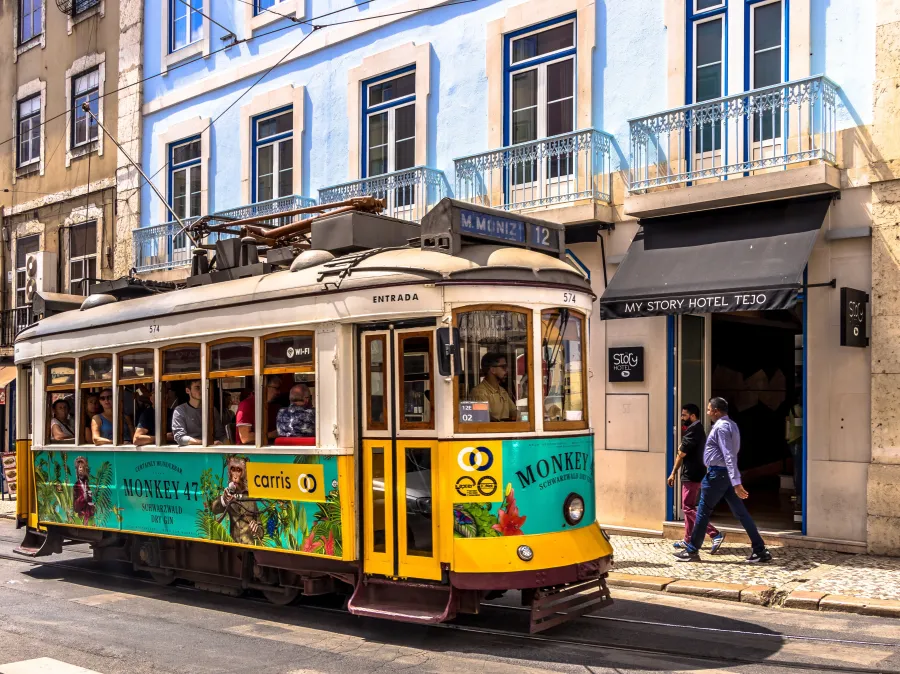
- Tram 28 is scenic but often crowded, so taxis, walking routes or nearby metro stations can be easier.
- For fado nights, check whether there is a minimum spend or set menu before booking.
- Sunset is beautiful from the viewpoints, but mornings are calmer for photography and walking.