
Cascais
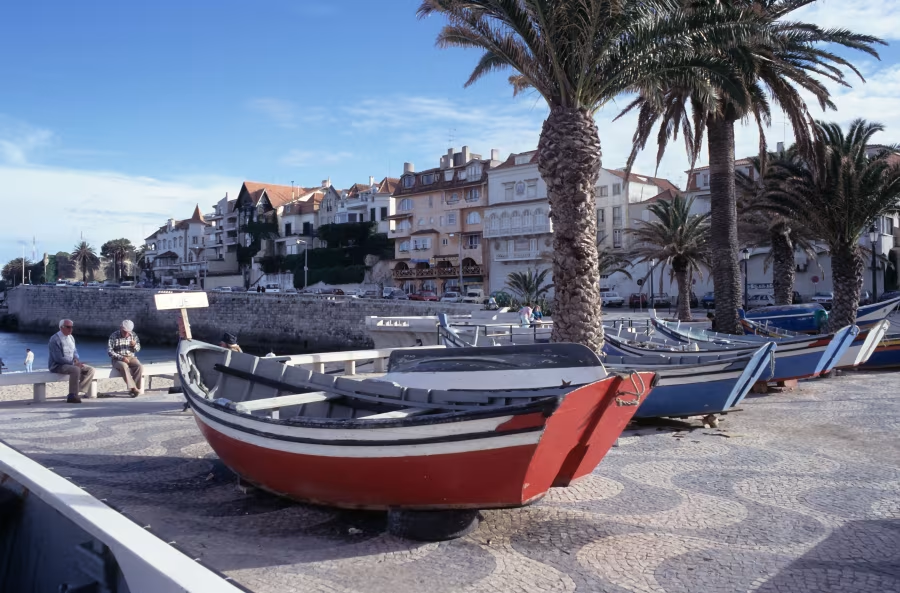
Cascais is the Atlantic side of Lisbon: a former fishing town turned royal resort, with a sheltered bay, a walkable old centre of cobbled squares and tiled façades, a marina, a string of beaches and the wild cliffs of Guincho and Cabo da Roca just beyond it, all about 40 minutes by train from the city.
Why visit Cascais during a short stay near Lisbon
For guests of a short-term rental, Cascais is the easiest way to add sea, light and slower days to a Lisbon trip without renting a car. The town centre is flat and compact, the beaches start a few minutes from the station, and the coastal railway from Cais do Sodré runs along the water for most of the journey, which makes the trip itself part of the day.
From our Lisbon base, the Trendy Apartment in Bairro Alto, Cascais is roughly 40 minutes door to door by train. If you prefer to sleep by the sea, we also have homes on this stretch of coast: the Charming Villa with 4 Suites, private pool and garden in a quiet Cascais neighbourhood minutes from Guincho and the Quinta da Marinha and Oitavos golf courses, and the Duplex Apartment with private pool in neighbouring Estoril, a 15-minute walk from the beach.
A short history of Cascais
Cascais grew as a fishing port guarding the mouth of the Tagus, fortified in the sixteenth century by the citadel that still overlooks the bay. Its modern character dates from 1870, when King Luís I chose the fortress as a summer residence and the court followed: villas, gardens and a seafront promenade were built, and the railway arrived in 1889.
During the Second World War, neutral Portugal made Cascais and Estoril a refuge for exiled European royalty, diplomats and writers, a period that left the area its cosmopolitan, slightly cinematic reputation. Fishing boats still land their catch beside the marina, and that mix of working port, aristocratic villas and Atlantic resort is what gives the town its tone today.
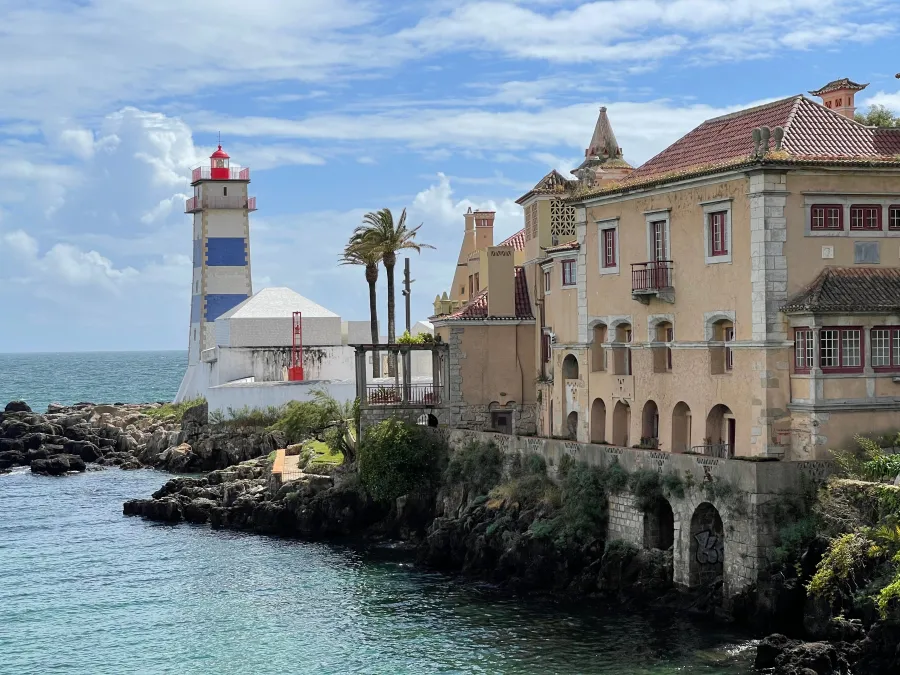
What Cascais offers
- Beaches for every mood: sheltered town bays for swimming with children, and the open Atlantic at Guincho for surfers, kitesurfers and long windy walks.
- A walkable old town: pedestrian streets, painted houses, a fish market, terraces and small squares that stay lively into the evening.
- Museums and gardens: the Condes de Castro Guimarães palace-museum, the Paula Rego House of Stories and the shaded municipal park.
- Coastal walking and cycling: a flat seafront path all the way to Estoril, and a dedicated cycle route north towards Guincho.
- Golf and the outdoors: several championship courses, the Sintra-Cascais Natural Park, sailing, surf schools and tennis.
- Food by the sea: grilled fish and seafood by the marina, pastry shops in the centre and beach bars along the coast road.
The people of the town
Cascais is a real town rather than a resort that empties in winter. Fishing families, long-established Lisbon summer residents and a large international community of remote workers and retirees live side by side, and schools, markets and sports clubs keep it busy all year. Weekends bring Lisboetas out for the beach and lunch, so the centre is at its calmest on weekday mornings.
The usual courtesies apply: the residential streets behind the seafront are homes, beach etiquette matters in high season, and a few words of Portuguese are appreciated even though English is widely spoken.
Main points of interest
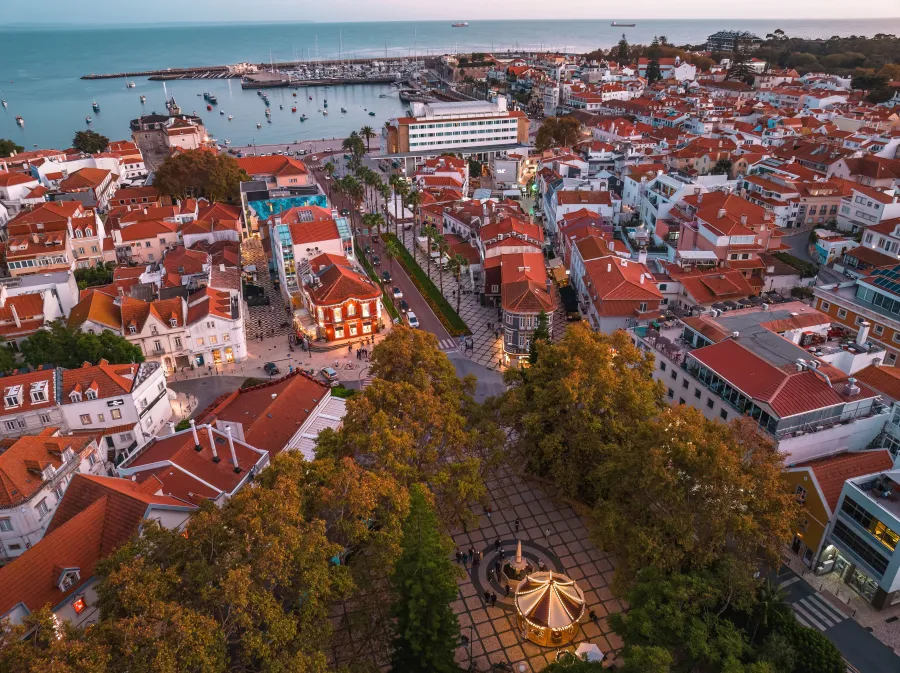
- Baía de Cascais and the old town: the sheltered bay, the fishermen’s beach and the pedestrian streets and squares behind it.
- Cidadela de Cascais: the sixteenth-century citadel, now a hotel, art quarter and open courtyard with views over the marina.
- Marina de Cascais: berths, restaurants and the starting point of the seafront promenade.
- Boca do Inferno: a dramatic sea arch and blowhole a short walk west of the centre, best in rough weather.
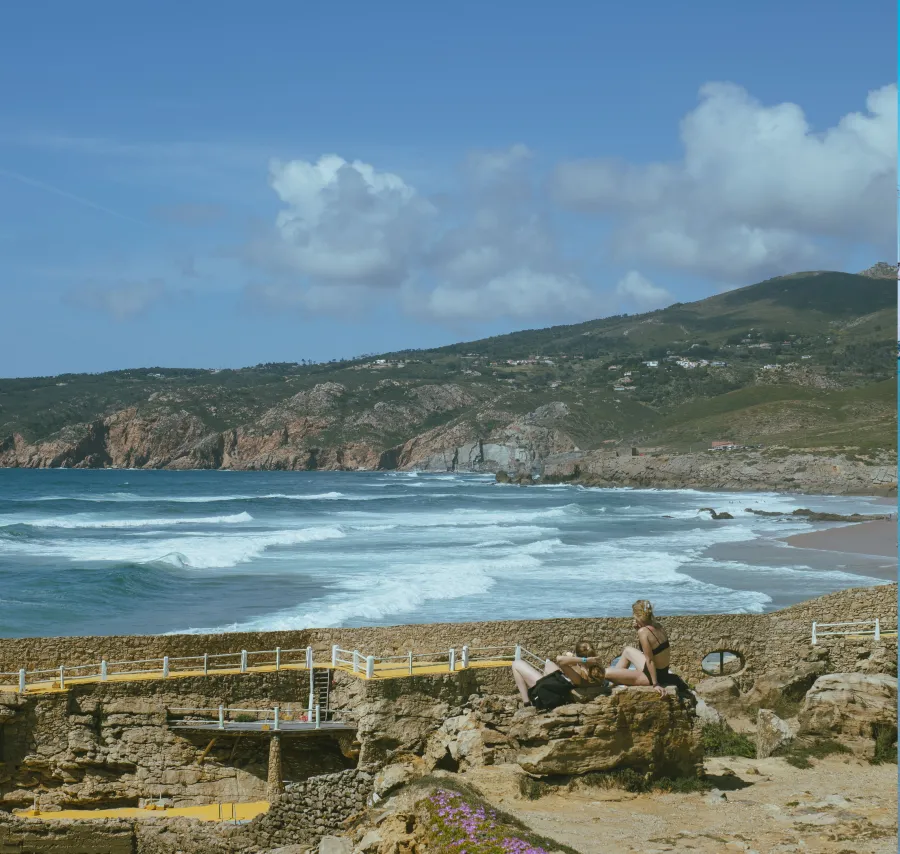
- Praia do Guincho: a wide Atlantic beach inside the Sintra-Cascais Natural Park, known for wind, waves and sunsets.
- Museu Condes de Castro Guimarães and Casa das Histórias Paula Rego: a seaside palace-museum and a striking contemporary museum of the painter’s work.
- Parque Marechal Carmona: a shaded garden with peacocks, lawns and a café, ideal with small children.
- Cabo da Roca: the westernmost point of mainland Europe, about 30 minutes by car or bus from the town.
- Estoril: the neighbouring resort with its casino, gardens and beach, 10 minutes away on foot along the promenade by train.
Suggested plan from our homes
- From Bairro Alto, walk to Cais do Sodré and take the coastal train to Cascais, sitting on the left for sea views.
- Start with a coffee in the old town, then walk the bay to the citadel and the marina.
- Visit the Paula Rego museum or the Condes de Castro Guimarães palace, depending on your interests.
- Have grilled fish for lunch near the market or the marina.
- Walk or cycle west to Boca do Inferno, and continue to Guincho if you have a bicycle or a car.
- Return along the seafront promenade to Estoril for a swim and the sunset, then take the train back to Lisbon.
If you are staying at our Cascais villa, reverse the plan: beach or golf in the morning, town in the late afternoon when the day trippers leave.
Good to know before you go
- Trains leave Cais do Sodré every 20 minutes or so and take about 40 minutes; a Viva Viagem card covers the journey.
- Parking in the centre is difficult in summer; use the underground car parks or arrive by train.
- Guincho is beautiful but exposed: the wind picks up after midday and the Atlantic water stays cold all year.
- Town beaches are small and fill quickly at weekends and in August; mornings are calmer.
- Cabo da Roca and Sintra combine well with Cascais by car or bus 1624, but not comfortably in the same day as the beach.
- The seafront path to Estoril is flat, paved and about 3 km, pleasant at any time of year.
- Book restaurants by the marina for dinner in high season, and check sea conditions and flag colours before swimming.
Frequently asked questions
How do I get from Lisbon to Cascais?
Take the coastal train from Cais do Sodré to Cascais, about 40 minutes, with departures roughly every 20 minutes. By car it is around 30 minutes on the A5 outside rush hour.
How long should I spend in Cascais?
A full day is comfortable for the old town, a museum, lunch and a beach. Staying on the coast for two or three nights lets you add Guincho, Cabo da Roca, golf and Sintra at a relaxed pace.
Which beach in Cascais is best for families?
The sheltered town beaches of Conceição, Duquesa and Rainha have calm water and are close to cafes and toilets. Guincho is better for surfing and walks than for swimming with small children.
Is it better to stay in Lisbon or in Cascais?
Stay in Lisbon for monuments, museums and nightlife, and in Cascais or Estoril for beaches, golf, gardens and quiet evenings. Many guests split a longer stay between the two, which the train makes easy.